








Our Expertise

Sensible marketing

Know Your Audience: Before you do anything else, you need to understand who you're trying to reach. What are their needs, pain points, and desires? What media do they consume, and what kind of language do they use? This foundational knowledge allows you to create messages that resonate and choose channels that reach them effectively.

Award Winning

Award-winning marketing is the pinnacle of the craft—the campaigns that judges, industry peers, and the public recognize for their exceptional creativity, strategic insight, and measurable impact. While a sensible marketing approach focuses on core business goals and efficiency, award-winning marketing takes those principles and pushes them to a new level of innovation and execution.

Experienced

Hands-on" marketing industries are those where your work has a direct, tangible impact and often involves close, real-world interaction, whether with customers, products, or data. These fields are excellent for experienced professionals who want to move beyond pure strategy and execute campaigns, solve problems, and see immediate results.

Importance of Measuring

Without a clear understanding of your marketing results, you are essentially flying blind. Measuring these outcomes allows you to: Justify Marketing Spend: Demonstrate to leadership that marketing is a revenue-generating investment, not an expense. Optimize Campaigns: See what's working and what's not, allowing you to reallocate budget and effort to the most effective channels and messages.

Our Services

We offer wide verity of marketing options for our business partner for their successful journey.

A one-time project:

A one-time project is a specific, short-term engagement where a client hires a professional, an agency, or a freelancer to complete a single, well-defined task. These projects are distinct from ongoing retainers or long-term partnerships and are typically used for specific needs.

Here are some common examples of one-time projects, particularly in the marketing, design, and web development spaces:

Examples of One-Time Projects

  • Website Redesign or Development: Building a brand-new website from scratch or overhauling an existing one. This has a clear start and end point and is often billed as a flat fee.

  • Brand Identity Package: Creating a full suite of branding assets, including a logo, color palette, typography guidelines, and brand voice document.

  • One-Off Ad Campaign: Designing and launching a specific advertising campaign for a seasonal promotion or a new product launch, such as a holiday ad campaign or a Super Bowl commercial.

  • Content Creation: Writing a series of blog posts, creating a white paper, or producing a single video.

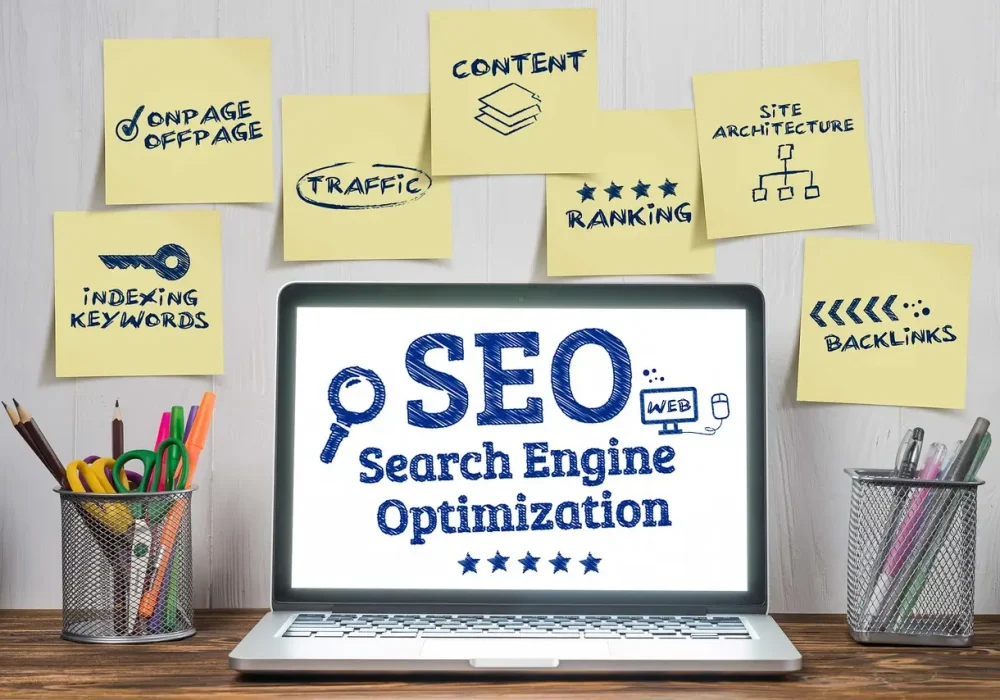
  • SEO Audit: A comprehensive analysis of a website’s search engine optimization, including technical issues, keyword opportunities, and a plan for improvement. The professional provides a report and a list of recommendations for the client to implement themselves.

  • Social Media Campaign: Developing the creative and strategic plan for a short-term social media campaign around a specific event or announcement.

  • Market Research Report: Conducting research and compiling a report on a specific market, competitor, or target audience.


Close-up of a notebook with wireframe sketches and a smartphone on a wooden desk.

Design

We offer multiple design options to cover all the aspect of marketing view point.

This is the core, the strategic foundation upon which all other marketing design is built. Without a strong brand identity, the rest of the design will lack consistency and impact.

Contemporary office setup featuring digital marketing strategy on a computer screen, ideal for business technology themes.

Advertising

It's important to understand that advertising is a component of a larger marketing strategy.

Advertising is a powerful and strategic form of communication designed to persuade an audience to take a specific action. While it’s often used to promote a product or service for sale, advertising can also be used to raise brand awareness, influence public opinion, or drive a desired behavior.

Product

This is the most common way to categorize your products, as it aligns with how businesses typically think about their marketing mix.

Having a “number of marketing products” is a great way to describe a comprehensive and flexible marketing service. It implies that you don’t just offer one solution but a range of tools and strategies that can be customized to a client’s specific needs.

Close-up of a person writing in a notebook with a pink pen on a wooden desk.

Content Writing

combine these points into a more robust and professional statement:

We offer versatile content writing services for a variety of businesses and subjects, ensuring your message is not only well-written but also strategically aligned with your goals. From engaging B2C blog posts and compelling social media copy to authoritative B2B white papers and SEO-driven website content, we have the expertise to translate your ideas into powerful words that connect with your audience and drive results.

Digital Product

SEO (Search Engine Optimization)

The product that ensures you're found by people who are actively searching for your solutions.

Pay-Per-Click Advertising

The product that provides instant traffic and measurable results.

Web Development

Building a brand-new website from scratch or overhauling an existing one.

Business Strategy

A clear strategy is vital for any organization. It provides a sense of direction.

Business Consultation

Business consultation is to understand their business, goals, and the specific problem they are facing.

Business Goal

Helping a company define its long-term goals, enter new markets, or gain a competitive advantage.

Key Categories of Marketing Results

The results of marketing can be broken down into a hierarchy, from surface-level metrics to deep business outcomes.

1. Brand & Awareness Results

These metrics measure how well your brand is reaching and resonating with your target audience. They are often “top-of-funnel” and relate to building a presence.

  • Impressions & Reach: How many people saw your content or ad. Reach is the number of unique people, while impressions are the total number of times it was displayed.
  • Website Traffic: The number of visitors to your website. You can segment this by source (e.g., organic search, paid ads, social media, direct traffic) to see which channels are most effective.
  • Social Media Engagement: Metrics like likes, shares, comments, and follower growth. These show that your audience is not just seeing your content but actively interacting with it.
  • Brand Mentions & Sentiment: How often your brand is mentioned online and whether those mentions are positive, negative, or neutral. This is a key measure of brand perception.
  • Organic Search Rankings: Where your website ranks in search results for key terms. This indicates the effectiveness of your SEO strategy.


2. Lead & Conversion Results

These results measure how effectively your marketing is turning a casual audience into potential customers.

  • Conversion Rate: The percentage of visitors who complete a desired action, such as filling out a form, signing up for a newsletter, or downloading an e-book.
  • Cost Per Lead (CPL): The total cost of a campaign divided by the number of leads generated. A lower CPL indicates a more efficient campaign.
  • Click-Through Rate (CTR): The percentage of people who click on a link in an ad or email. This measures the appeal and relevance of your messaging.
  • Marketing Qualified Leads (MQLs): Leads that are more likely to become customers based on specific actions they’ve taken (e.g., visiting a pricing page, downloading a product guide).


3. Financial & Business Results

This is the ultimate measure of marketing success. It ties marketing activities directly to revenue and profitability.

    • Customer Acquisition Cost (CAC): The total cost of marketing and sales to acquire a new customer. A sustainable business has a CAC that is significantly lower than its customer lifetime value.
    • Customer Lifetime Value (CLV): The total revenue a business can expect to generate from a single customer throughout their relationship.
    • Return on Investment (ROI): The most important metric for many business leaders. It calculates the net profit from a marketing campaign relative to its cost.
      ROI=Cost(RevenueCost)
  • Revenue & Sales: The most direct and simple measure. How much new revenue was generated as a result of the marketing campaign?
  • Pipeline Contribution: For B2B companies, this measures how much of the sales pipeline (potential deals) was generated or influenced by marketing efforts.

The Importance of Measuring Results

Without a clear understanding of your marketing results, you are essentially flying blind. Measuring these outcomes allows you to:

  • Justify Marketing Spend: Demonstrate to leadership that marketing is a revenue-generating investment, not an expense.
  • Optimize Campaigns: See what’s working and what’s not, allowing you to reallocate budget and effort to the most effective channels and messages.
  • Make Data-Driven Decisions: Move beyond guesswork and make strategic choices based on concrete data and analysis.
  • Prove Value: Highlight the contribution of marketing to the overall health and growth of the business.
Scroll to Top